
Gaza’s Children — Returning to School After Two Years of War
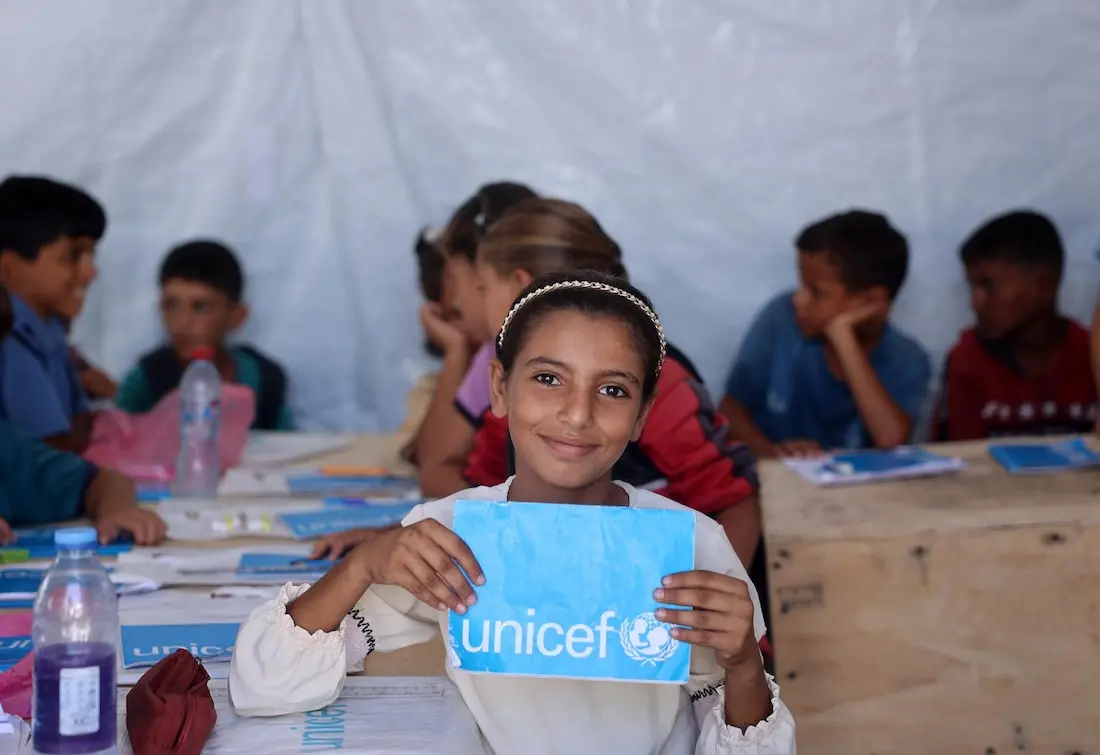
In the midst of the devastation and displacement brought on by more than two years of conflict, a flicker of hope has begun to show for the children of the Gaza Strip. Schools and learning spaces are reopening, albeit slowly and under extremely challenging conditions. (A News)
The Context
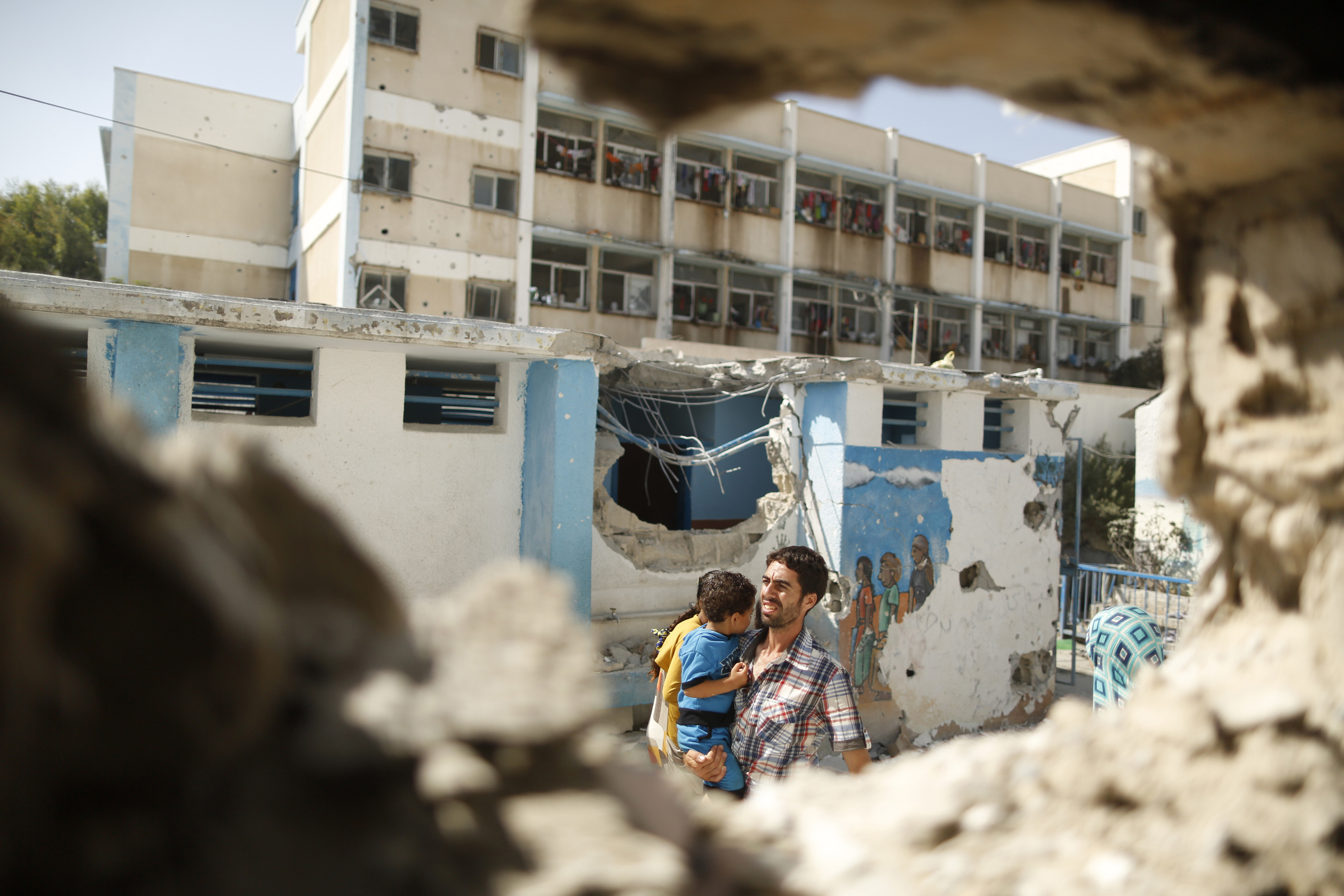
Since October 2023, the war between Israel and Hamas has wrought immense destruction across Gaza’s education infrastructure. Many schools were damaged, destroyed or repurposed as shelters for displaced families. (Deutsche Welle)
According to reports, about 90 % or more of the school buildings in the region have sustained damage or are unfit for normal classes. (United Nations)
In March 2025, the UN agency UNRWA recorded tens of thousands of children enrolled in “temporary learning spaces” while efforts continue to catch up with the lost time. (unrwa.org)
A Gradual Return — But Under Strain
Earlier this year and into late 2025, several schools began reopening, allowing children to step back into classrooms — some for the first time in 16 months or more. (Middle East Monitor)
At one school in the central Gaza Strip, for example, girls were seen sitting cross-legged on the floor in classrooms without desks or chairs — yet visibly eager to learn. (A News)
Despite this progress, the situation remains precarious:
-
Many children will attend on a reduced schedule because of teacher shortages, damaged facilities, or ongoing security risks. (The National)
-
Alternative learning formats—online classes, tent-schools, “learning points”—are being used to fill the gap. (unrwa.org)
-
The lost academic time and psychological trauma mean that catching up will take more than reopening classrooms. (United Nations)
Why This Matters
-
Right to education – Education is a fundamental right, and for children in war-zones, returning to school often symbolizes a return to some sort of normalcy.
-
Resilience – These children are demonstrating enormous resilience: through the rubble, the uncertainty, they’re stepping back into learning with hope.
-
Future implications – Extended disruptions in schooling risk long-term damage: increased dropout rates, lost opportunities, and a generation left behind. (Anadolu Ajansı)
-
Psychosocial recovery – Schools are not only places for academic learning; they’re spaces for social connection, routine, and emotional stability. Returning to school helps children heal from trauma even as it presents new challenges. (UNICEF)
What Needs to be Done
-
Rebuilding & resources: Schools need to be reconstructed or repaired, equipped with desks, books, computers and safe learning materials.
-
Teacher support: Teachers themselves have been impacted by loss, displacement and trauma; they need training, psychosocial support, and resources.
-
Catch-up programmes: Structured remedial classes, flexible schedules, and blended learning (in-person + online) can help bridge the gap. (unrwa.org)
-
Safe access: Students must be able to commute safely, and schools must be secure from ongoing hostilities or threats to learning.
-
Community involvement: Parents, local leaders and humanitarian organisations must be engaged to prioritize education amid competing survival needs.
A Glimpse of Hope
One 11-year-old girl, Warda Radwan, shared how she is returning to her sixth grade after losing two years of schooling due to displacement and war. (A News)
The smile on children’s faces, the lines of girls performing morning assembly chants like “Long live Palestine!”, the chalkboard filled with scribbles – these glimpses remind us that in the darkest times, hope still rises.
Final Thought
The road ahead for Gaza’s children is steep. But the reopening of schools—even if tentative—is a vital step. This is more than about textbooks and blackboards; it’s about children reclaiming their childhoods, their futures, their right to learn. As global citizens, their story invites us to support, to advocate, and to remember: education in war-zones isn’t a luxury, it’s a lifeline.
If you like, I can pull together a gallery of photos (with captions) and some stories from individual students in Gaza to publish on your blog — would that be good?
Post a Comment